
Wedding stationery from A to Z: a complete guide for DIY brides
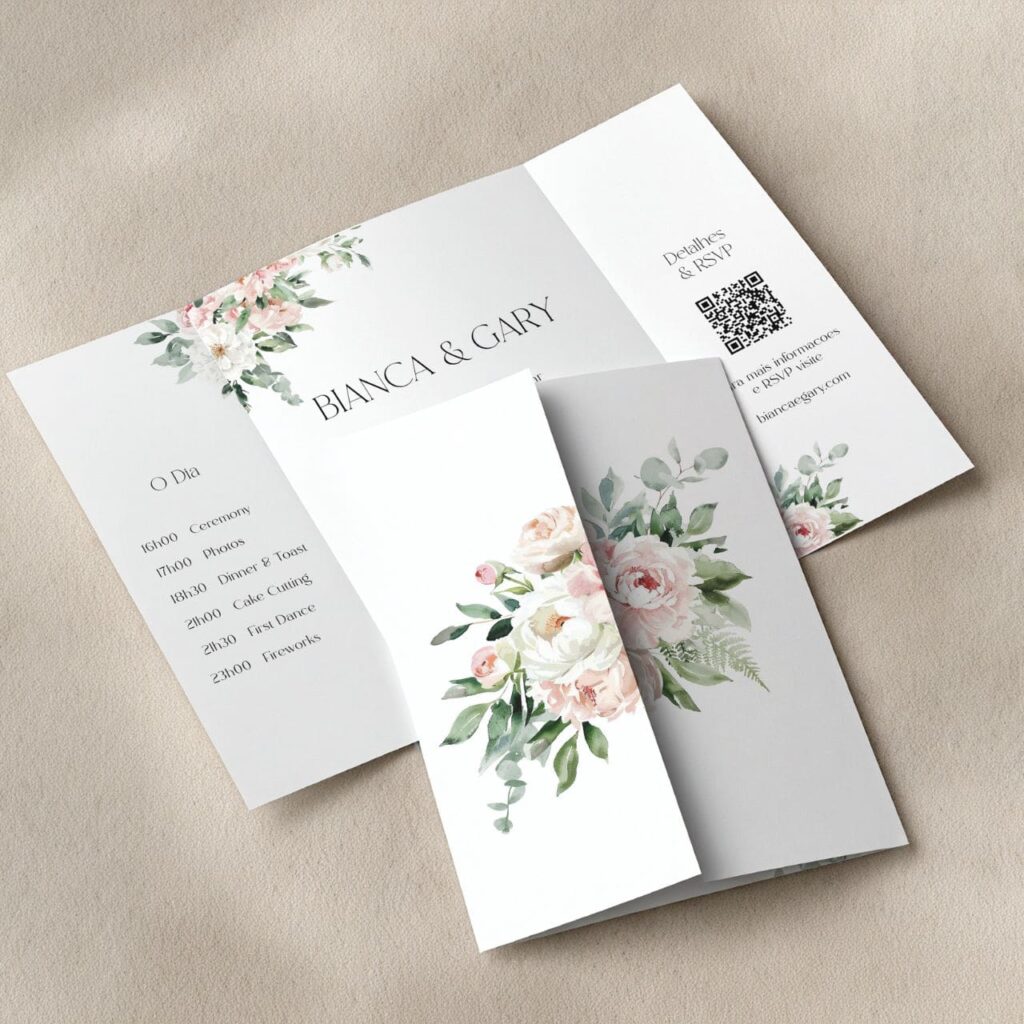
Wedding stationery is much more than just pretty invitations. It is a set of items that help communicate, organise and give visual coherence to the entire wedding — before, during and even after the big day.
If you are planning your wedding in DIY mode (or simply want to understand what really makes sense), this guide was created for you: clear, practical and without pressure to ‘have everything’.
What exactly is wedding stationery?
When we talk about wedding stationery, we are referring to all the printed items that accompany the wedding process.
It is usually divided into three stages:
1. Before the day (pre-wedding)
This is the first impression guests have of your wedding.
It includes, for example:
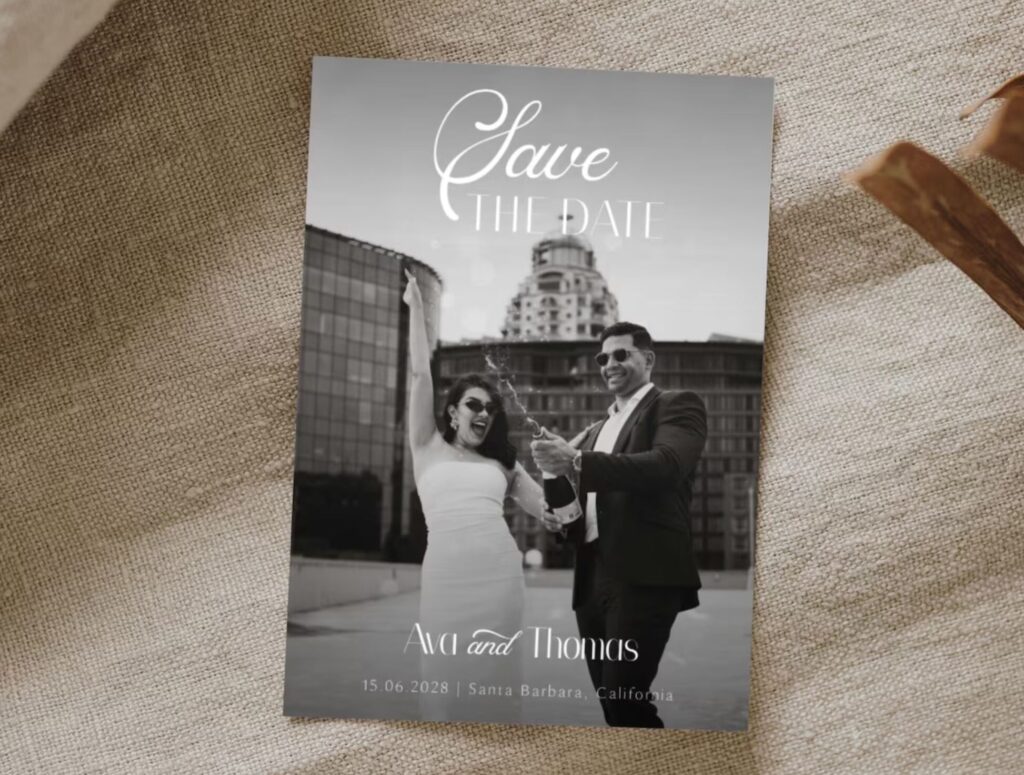
- Save the Date
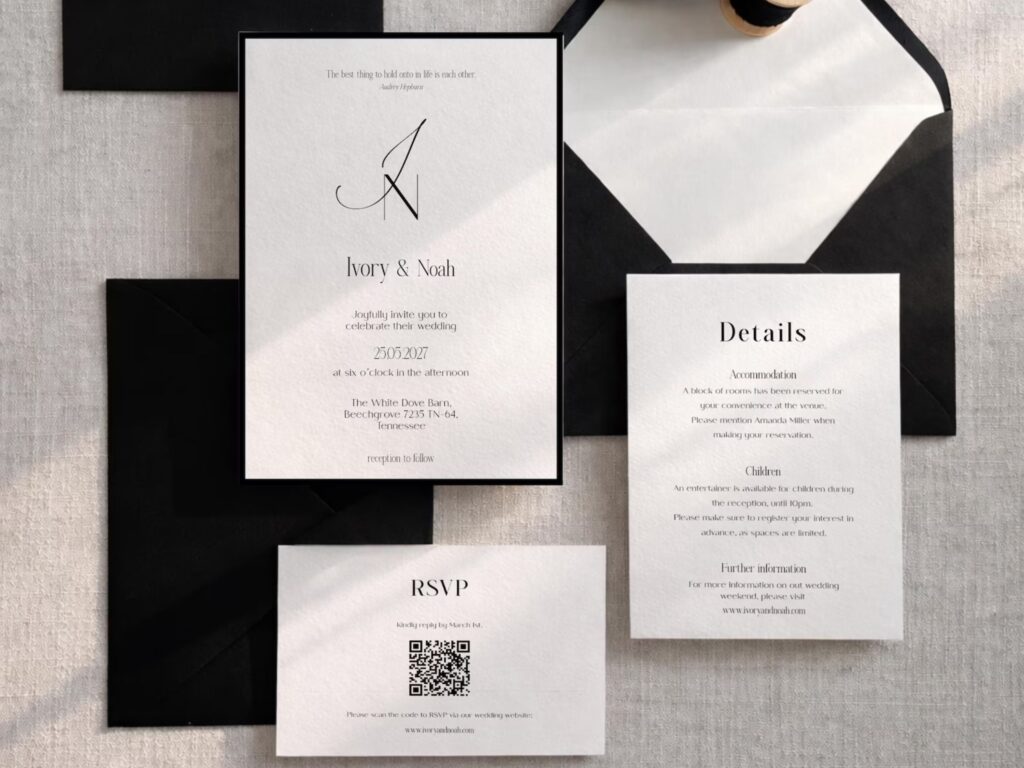
- Wedding invitation
- RSVP (response card or digital version)
- Details card (times, address, dress code, accommodation)
- Invitations to additional events (welcome dinner, brunch, etc.)
- Wedding website
These items help to communicate essential information and set the tone for your day.
2. Wedding day stationery
On the day, stationery mainly serves a practical purpose — to guide, inform and organise.
Some examples:
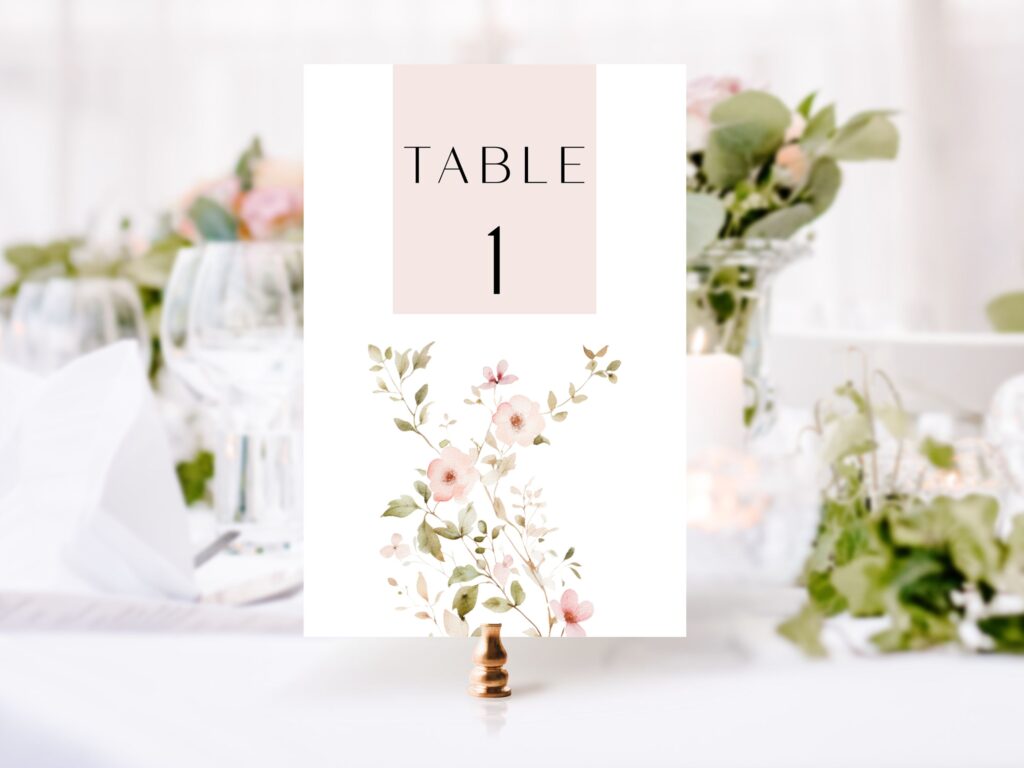
- Seating plan
- Table markers or numbers
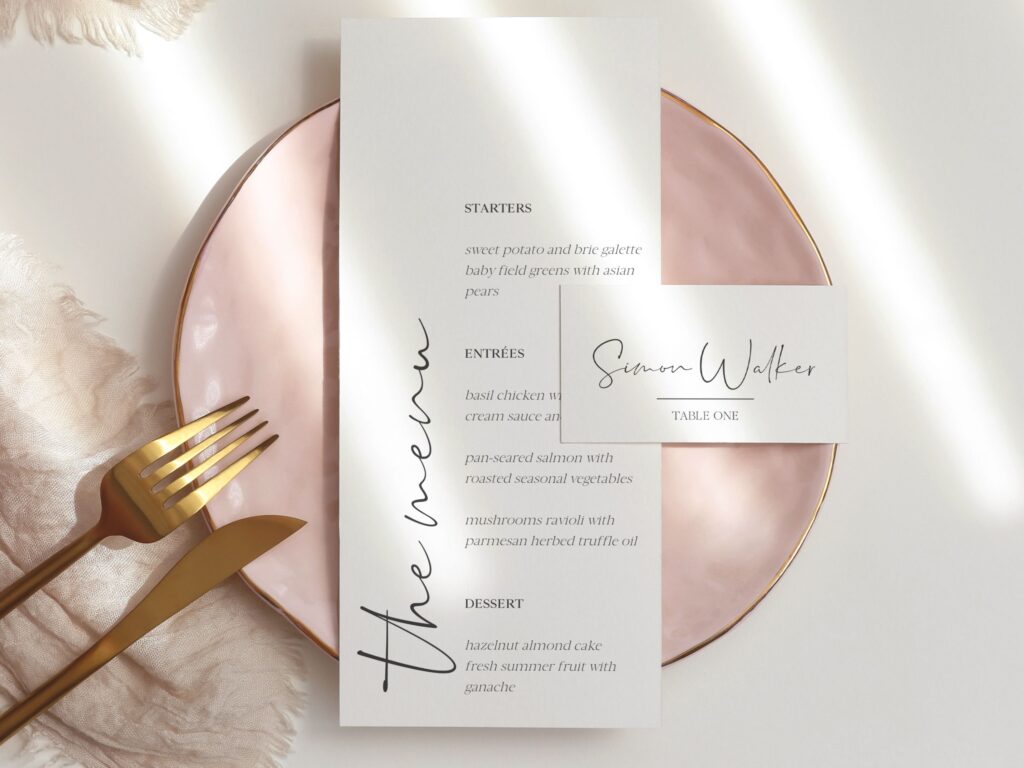
- Menus
- Place cards
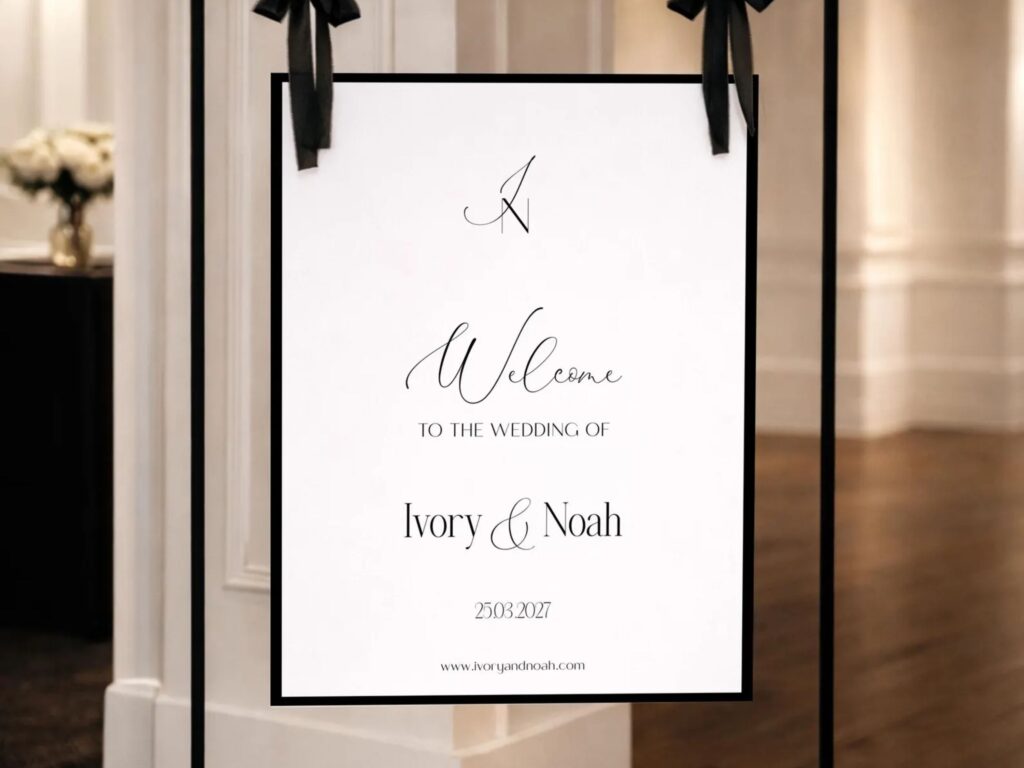
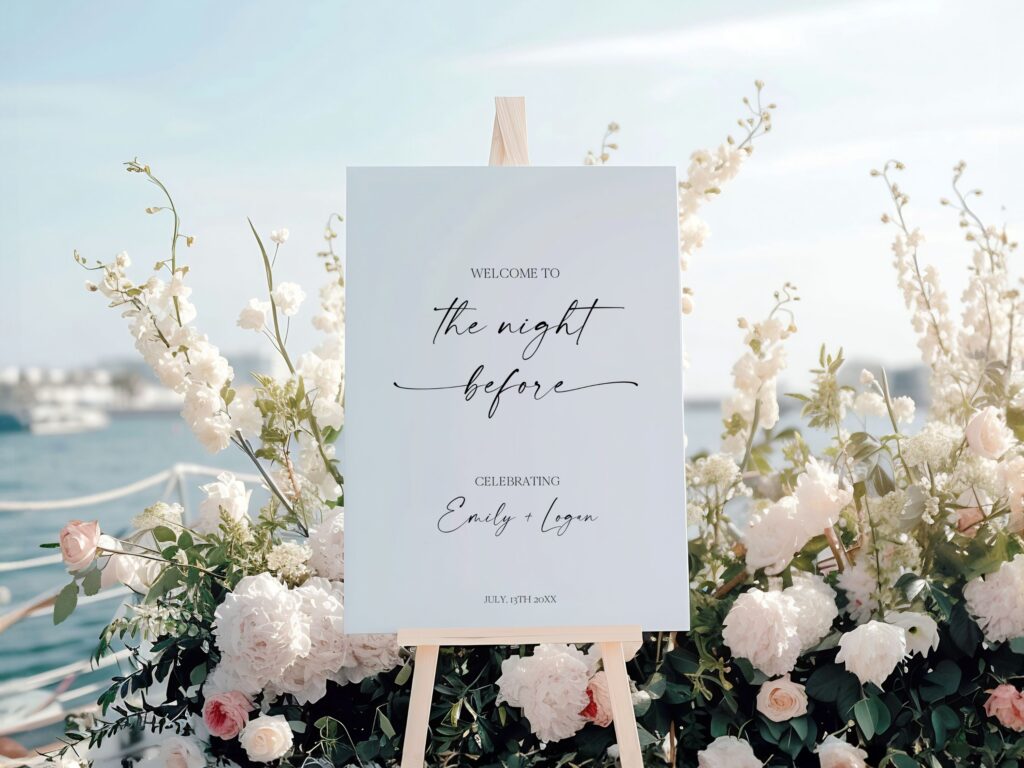
- Welcome signs
- Signage (ceremony, bar, guest book, etc.)
Here, less can be more. The important thing is that the items you choose make sense for your venue and type of celebration.
3. Post-wedding stationery
It is not always remembered, but it closes the wedding cycle.
It usually includes:
- Thank you cards
It is a simple and beautiful way to thank guests for their presence and affection.
Essential vs. ‘nice to have’
One of the biggest mistakes in planning is thinking that all elements are mandatory. They are not.
The essentials (for most couples)
- Wedding invitation (physical or digital)
- Clear information about location, date and times
- Some form of guidance on the day (e.g. seating plan)
Optional (depending on your wedding)
- Save the Date
- Individual menus
- Personalised place cards
- Decorative signage
- Ceremony programmes
The rule is simple: if an item does not solve a practical problem or add clarity, it is probably optional.
Where do editable templates (Templett) come in?
If you are considering a DIY approach, editable templates are a very practical and economical intermediate solution.
Tools such as Templett allow you to:
- Edit text directly in your browser
- Adapt colours and some elements to your style
- Export for professional printing or digital use
Advantages of templates:
- More controlled costs
- Freedom to edit at your own pace
- Professional design without starting from scratch
- Visual consistency across all pieces
At Blooming, templates are designed to be simple, clear and flexible — without requiring technical knowledge.
Practical examples of Blooming collections
A well-designed collection may include:
- Invitation + RSVP + details (pre-wedding)
- Seating plan + menus + table markers (wedding day)
- Thank you card (post-wedding)
When you choose a collection or bundle, you ensure that all the pieces ‘speak the same language’ — visually and functionally.
👉 Example: pre-wedding or day-of stationery bundles help you avoid separate purchases and repeated decisions.
Before choosing formats, papers, or quantities, there is an important question to ask: Which items really make sense for your wedding? It is precisely to answer this question that we have created a simple and free resource.
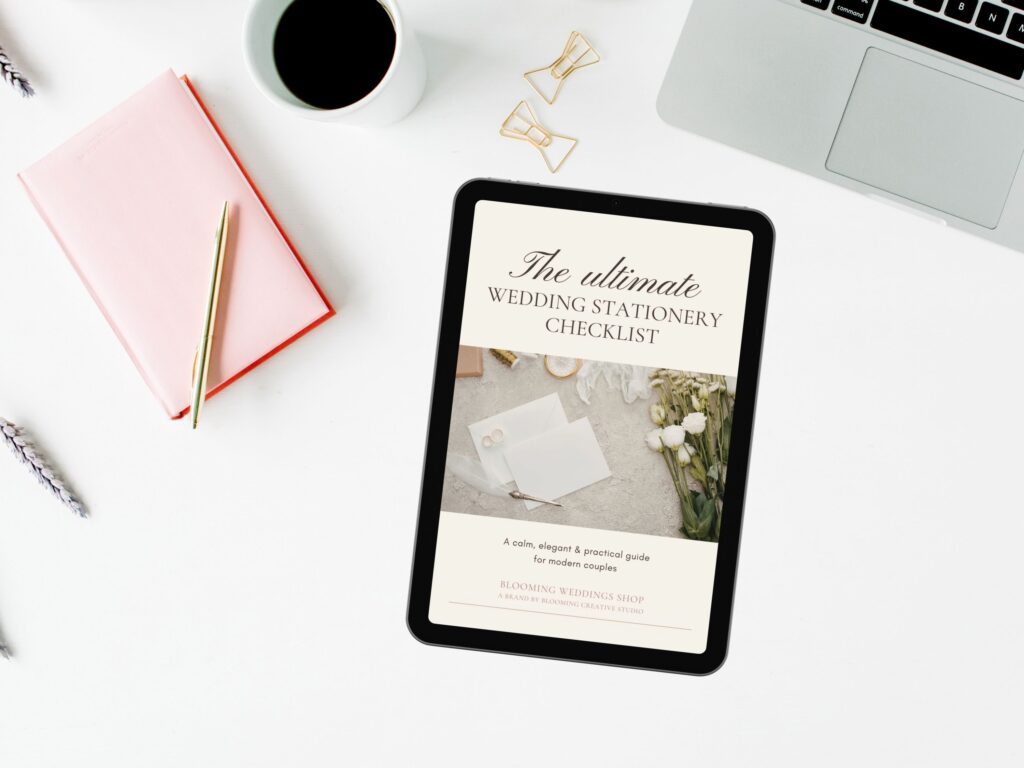
🎁 Free checklist: complete wedding stationery
A handy PDF to:
- understand all the different items available
- distinguish between essential and optional items
- decide between digital, DIY or professional printing
Ready to move from planning to execution?
Once you’ve clarified what you need, look for practical solutions:
- Explore our pre-wedding bundles.
- Discover our day-of bundles with all the essentials for the big day.
This way, you’ll avoid excesses, save time and money, and keep everything consistent.
👉 See available bundles
Calm planning. Conscious decisions. Stationery that makes sense.